Sustainable & Strong
Why I banned my leather wallet & seemingly chose a "paper" wallet instead
By Lena Berger – Industrial Designer, Urbanist, Minimalist
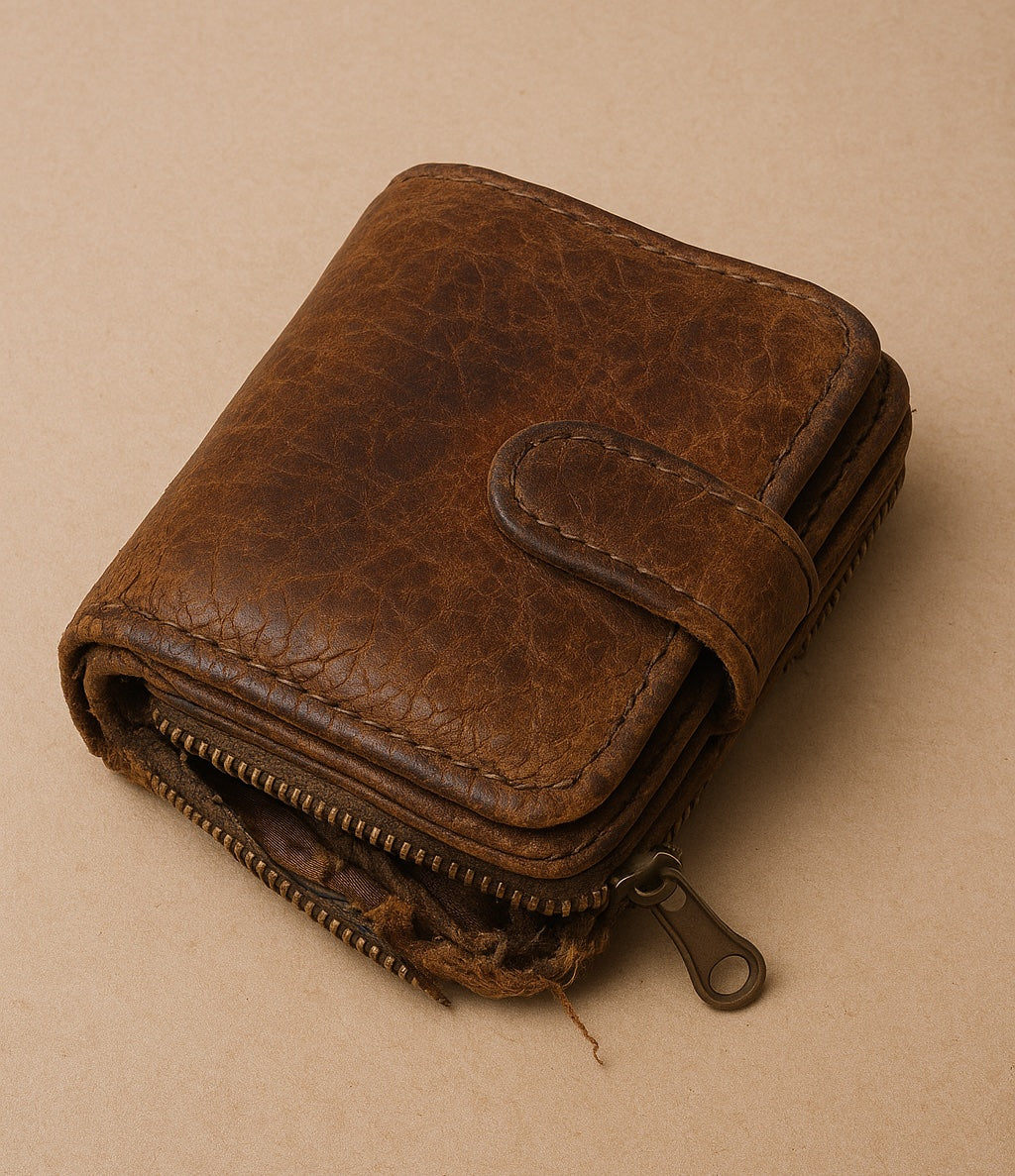
I remember it clearly: It was a rainy Thursday afternoon in Berlin when my old leather wallet finally gave up the ghost. The zipper was stuck, the coin compartment was torn, and the bulky lump of cards, receipts, and bonus points pressed uncomfortably in my pocket.
I was standing at the checkout of a zero-waste store thinking, "Why am I still lugging around this bulky thing?" I am someone who cares about sustainability and reflects on their consumption – but my wallet was made of cowhide, produced somewhere in the Far East. The irony hurt.
That evening I googled: "sustainable minimalist wallet" – and came across a product I thought was a joke: paper wallet.
Paper? Seriously? – The thing with Tyvek®
"That can't hold." – That was my first thought. I am a designer. I know materials. Paper is for origami, not for everyday use. But then I kept reading.
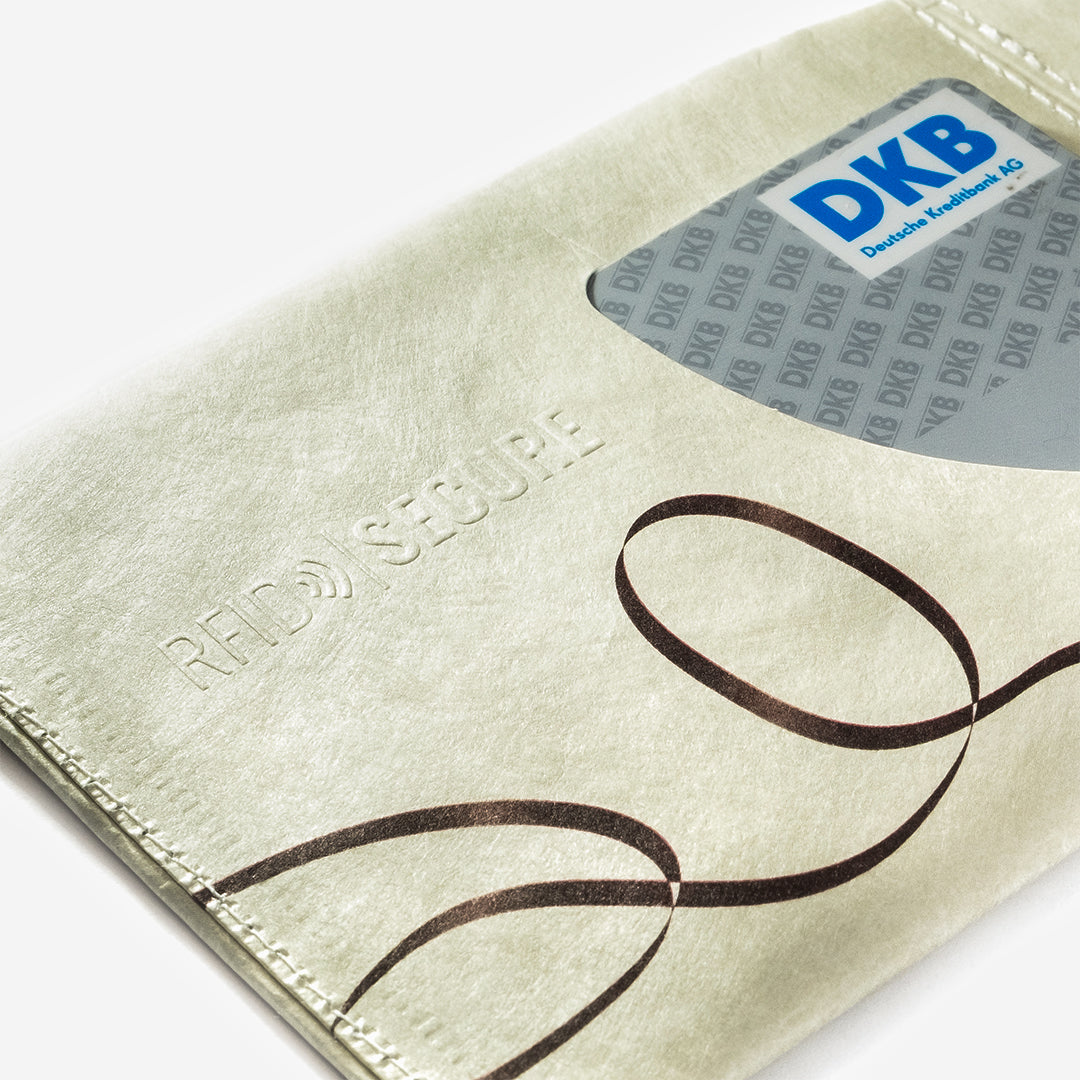
The secret lies in the material: Tyvek®. A branded product from a Luxembourg company. Technically, Tyvek is not paper, but a nonwoven fabric made of high-density polyethylene fibers – feather-light, tear-resistant, water-repellent, and recyclable.
Tyvek is used in architecture, as protective clothing in cleanrooms, even for medical packaging. It is as durable as plastic, but much lighter – and fully recyclable in the PE cycle.
Suddenly, it all made sense. This "paper" wallet was no joke – it was a well-thought-out product. An example of functional design that not only claims ecological awareness but lives it.
Everyday test: 12 months, 4 trips, 1 wallet
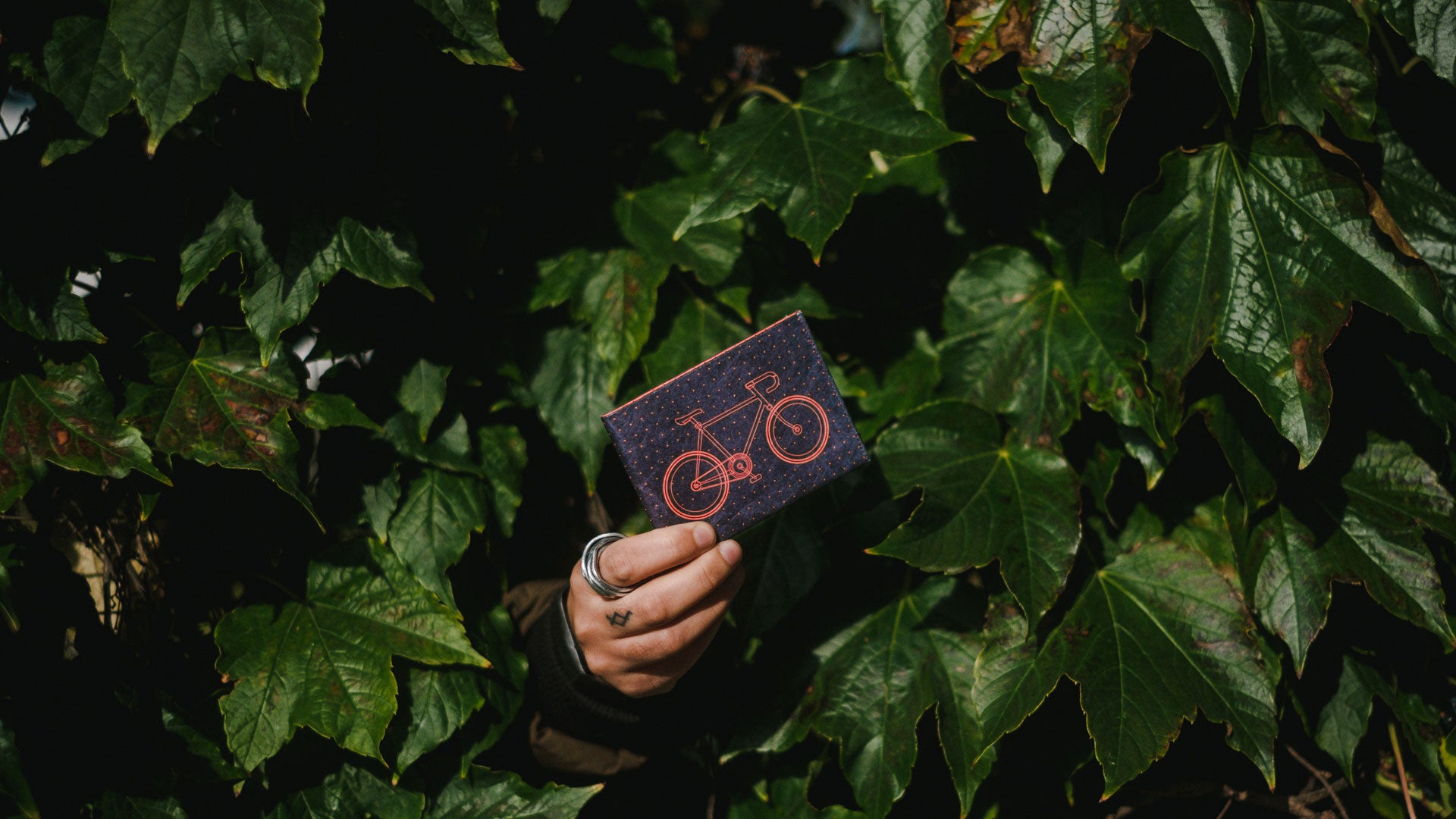
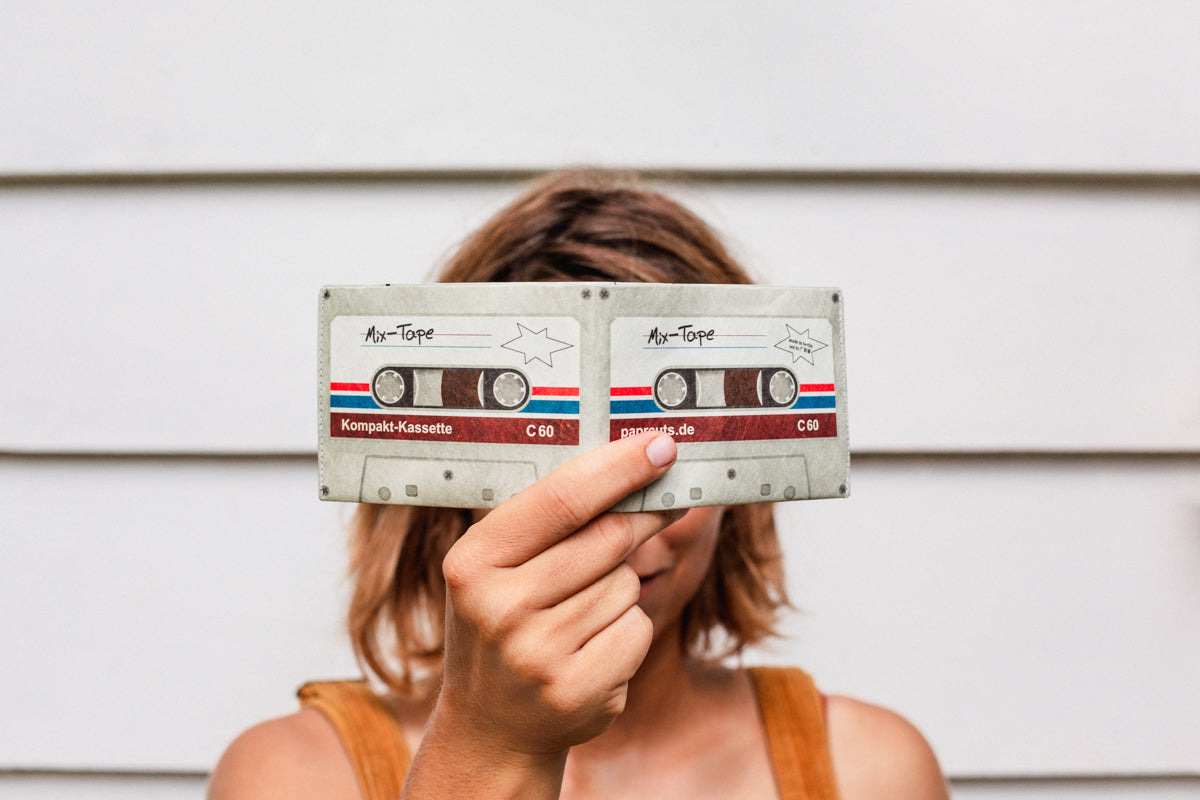
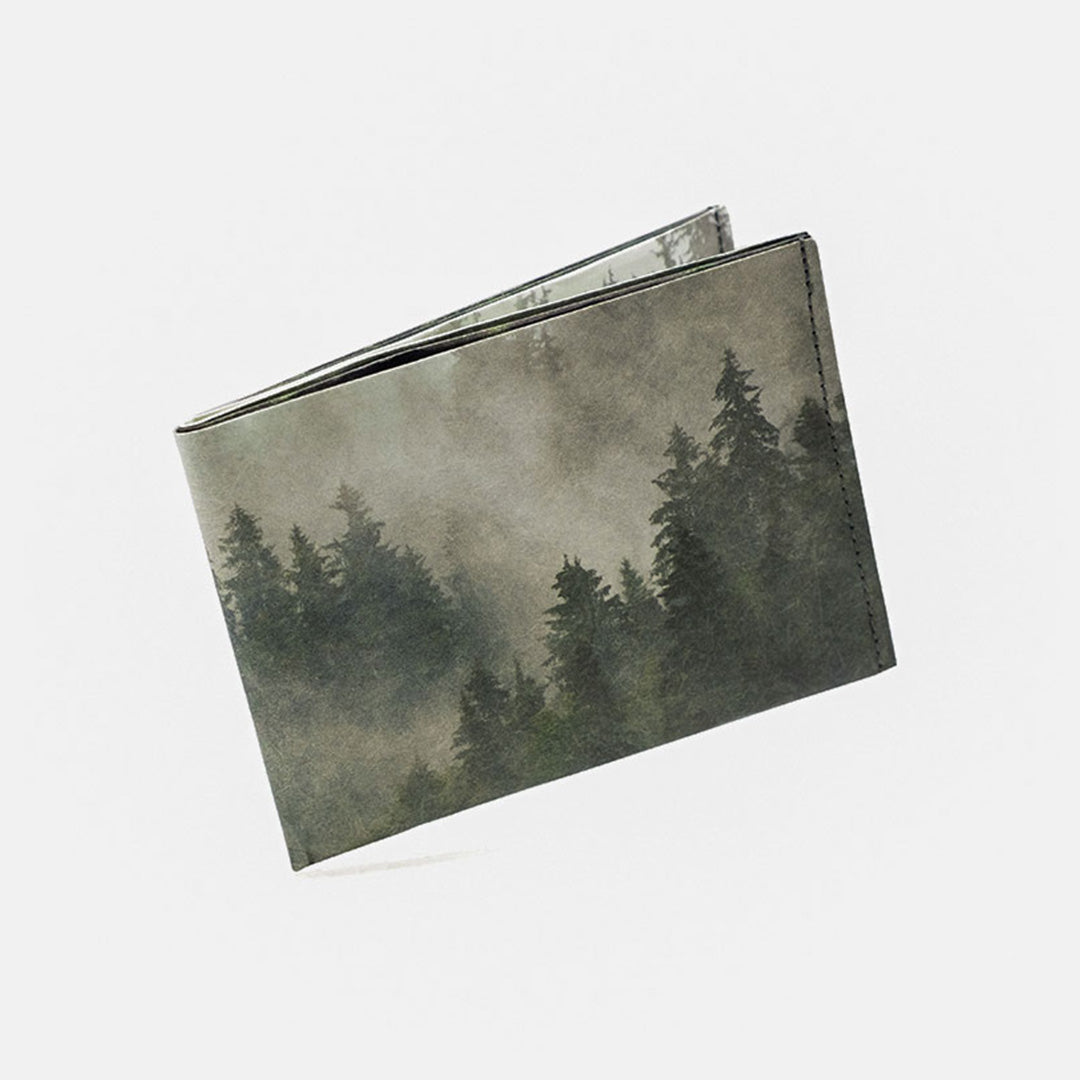
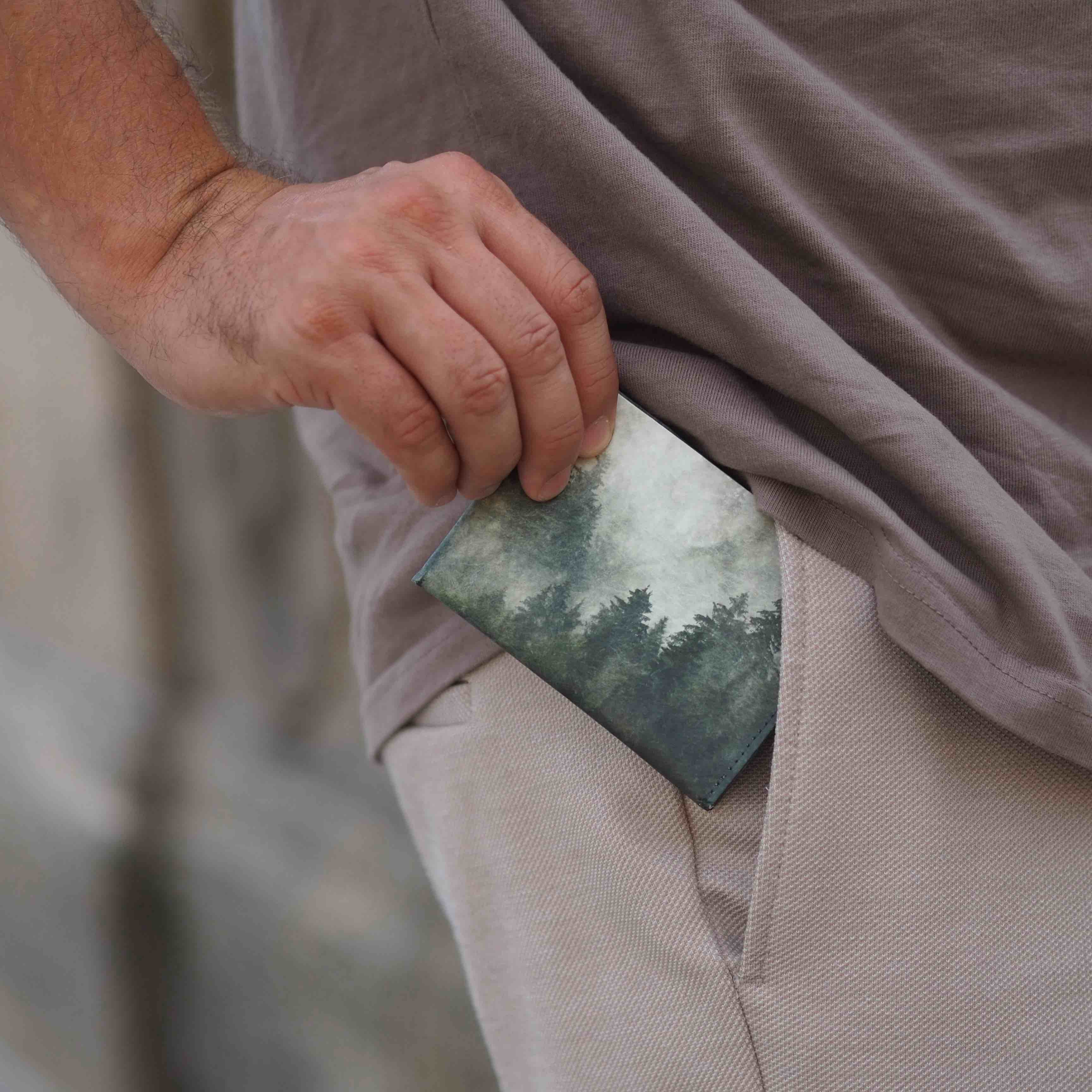
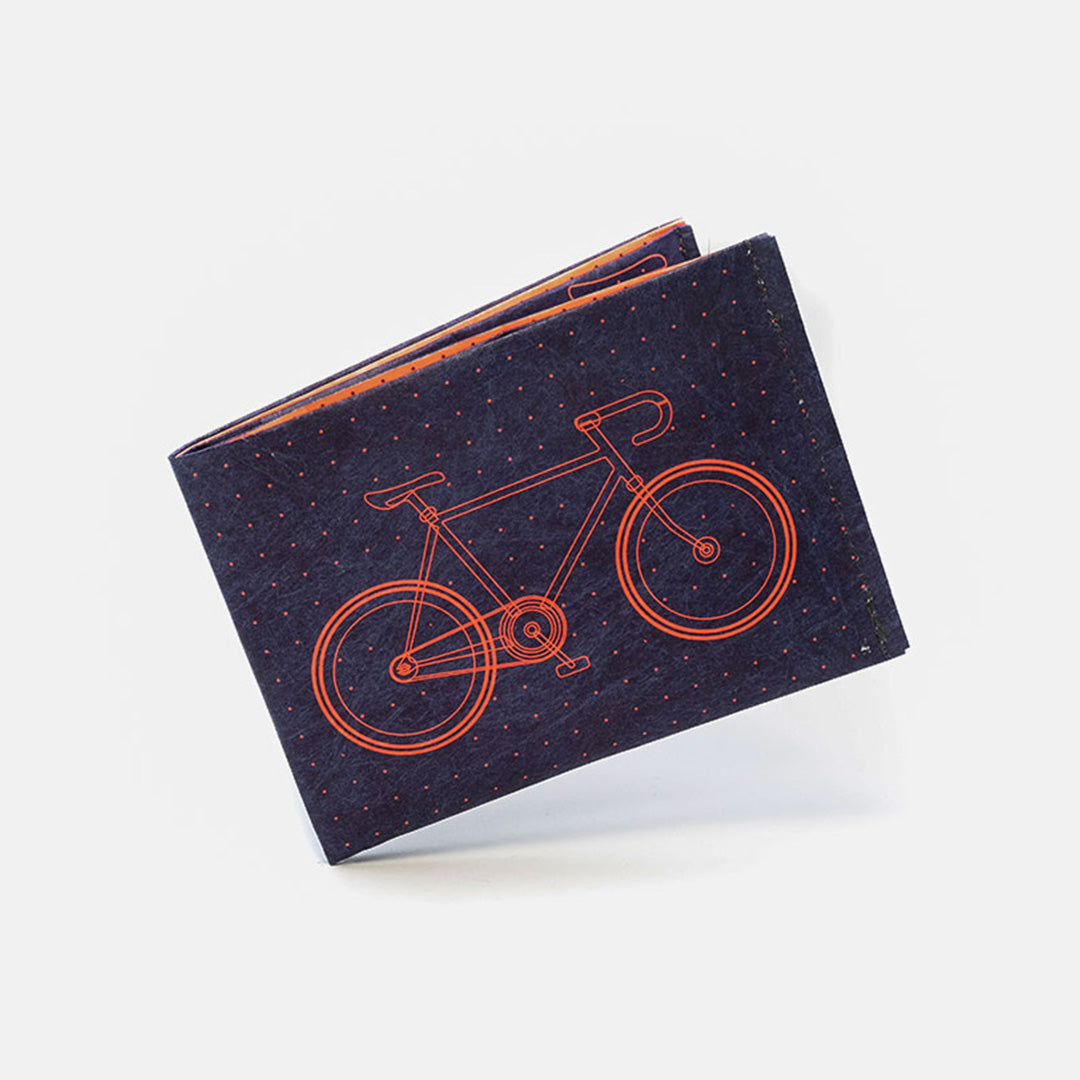
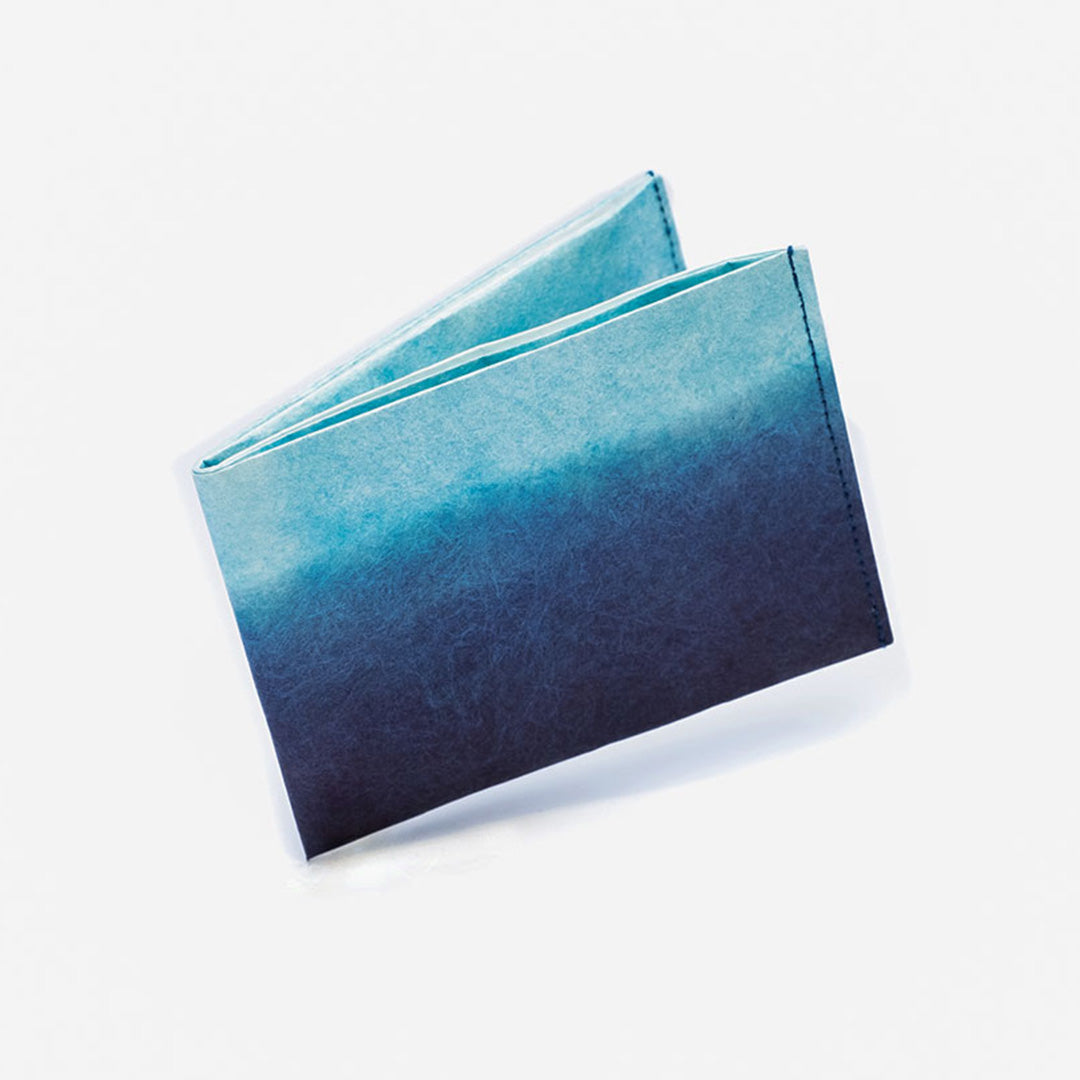
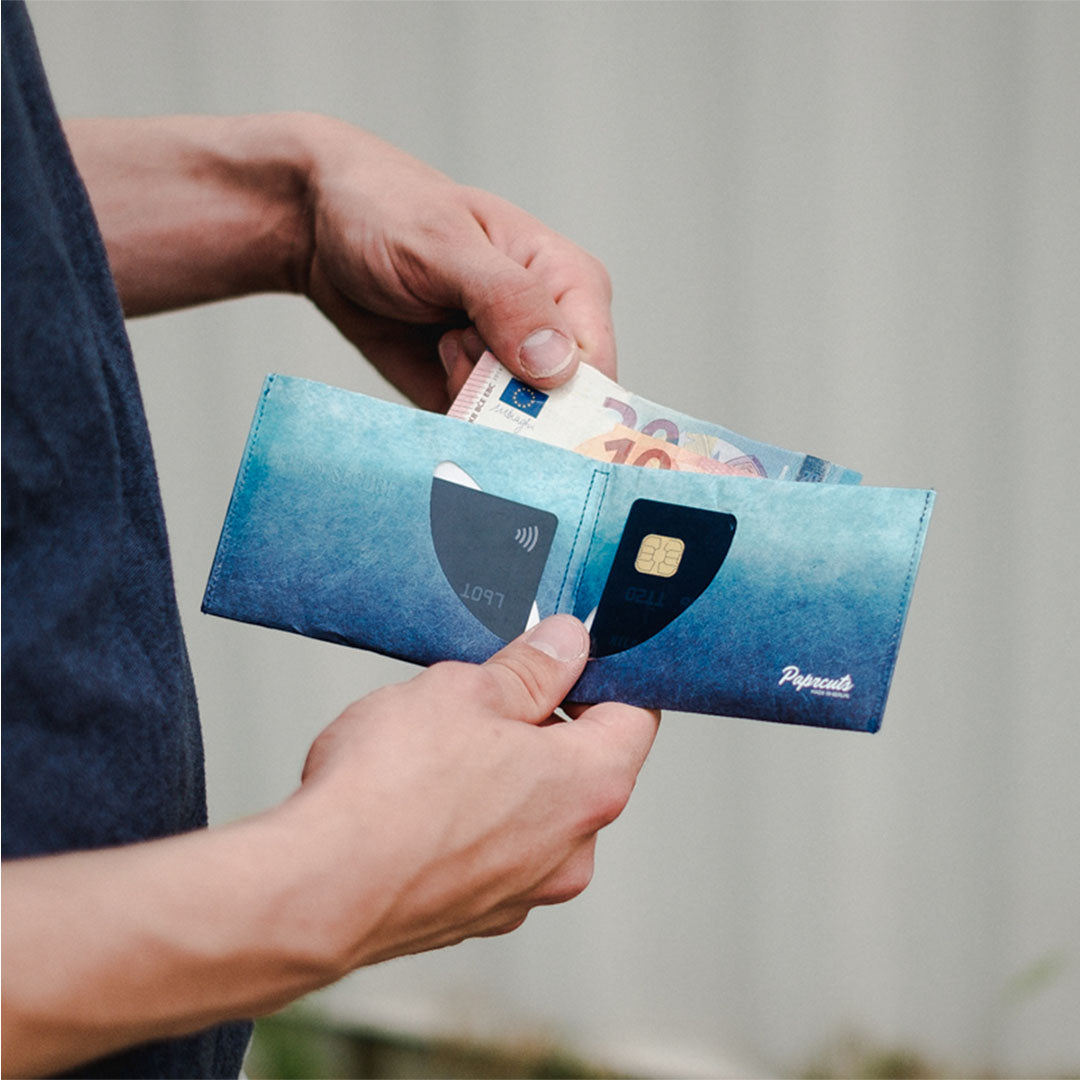
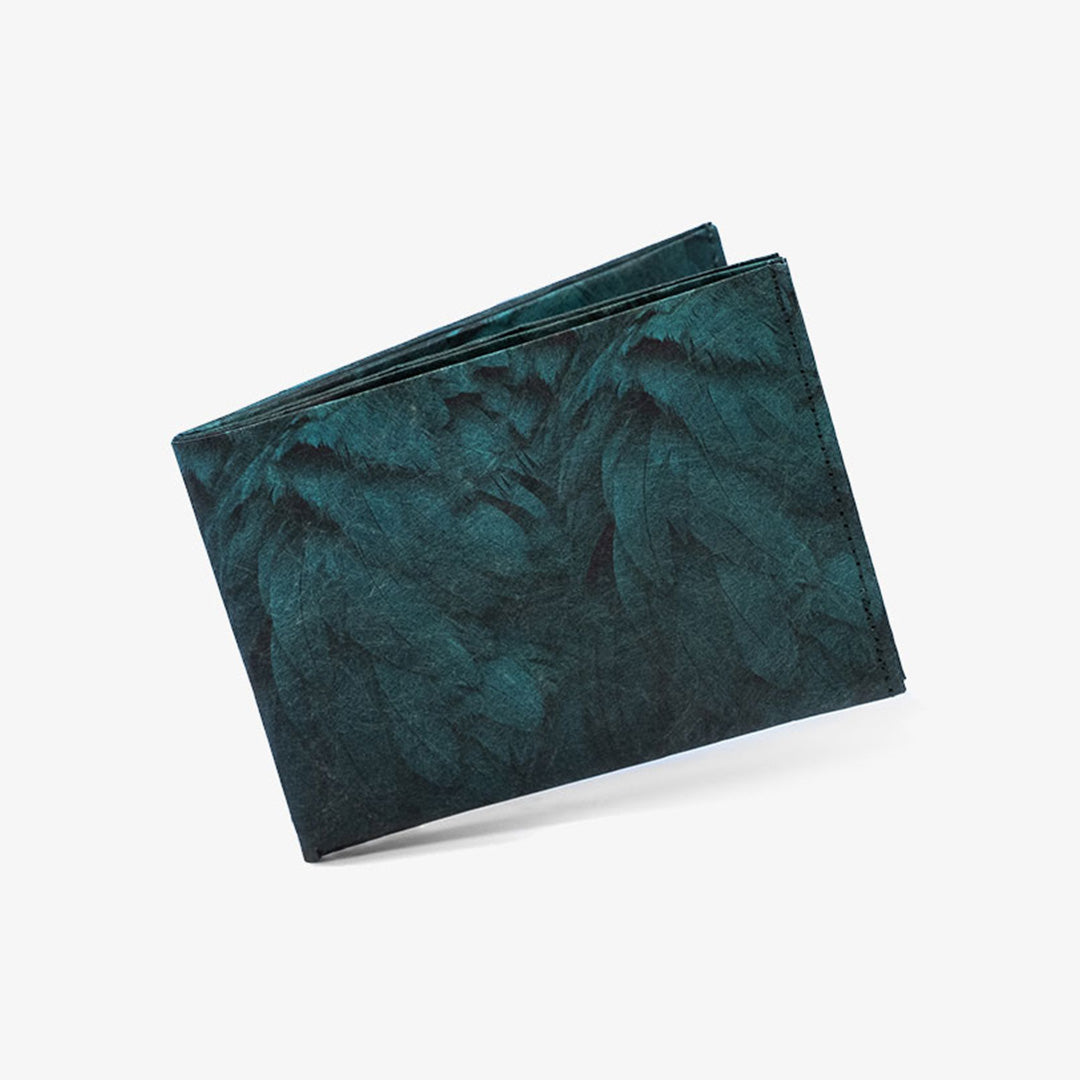
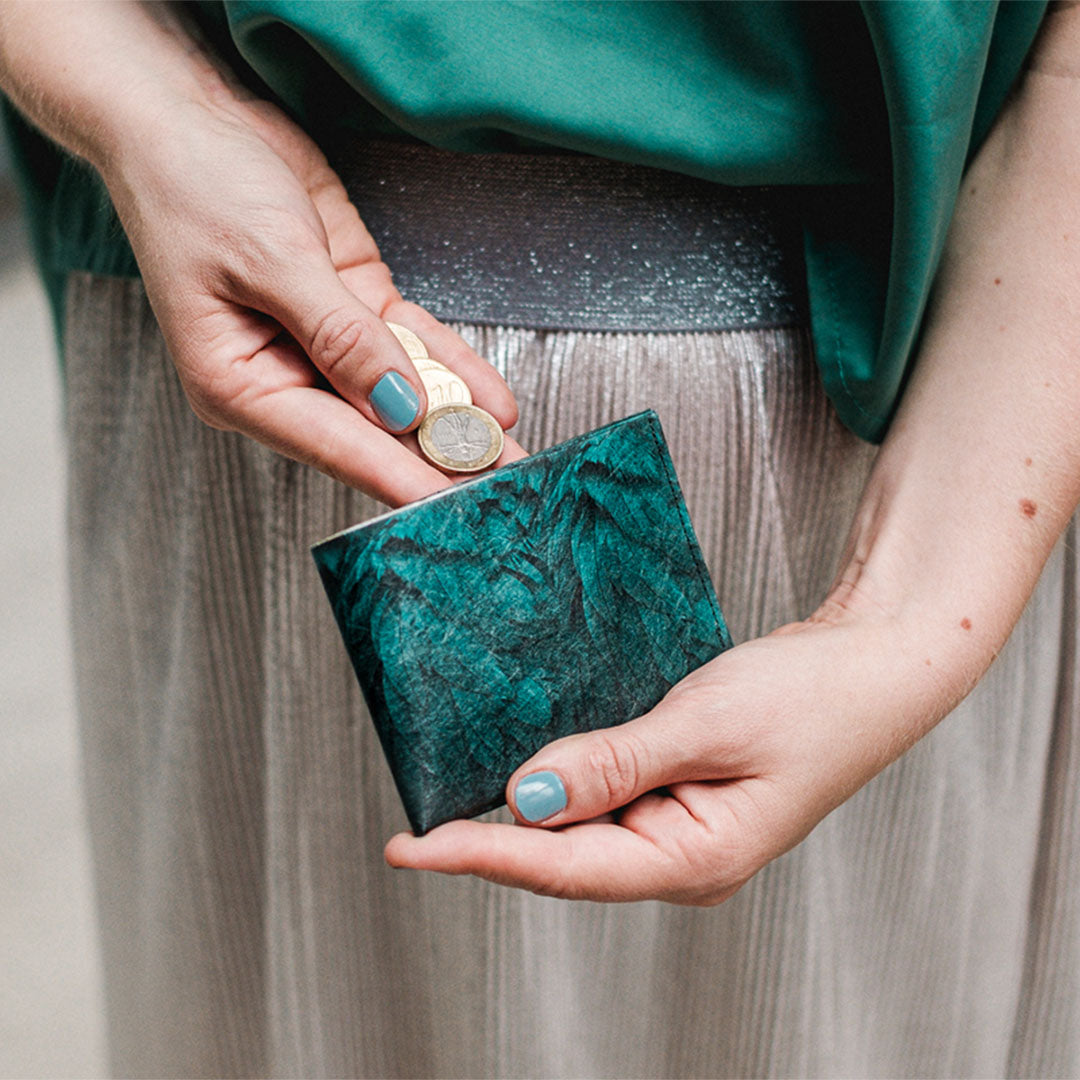
I ordered my first Paprcuts Wallet – with a graphic design in shades of green, inspired by Japan. When unpacking it, I was surprised by how sturdy it felt: like a mix of fabric and paper, lightly textured but stable.
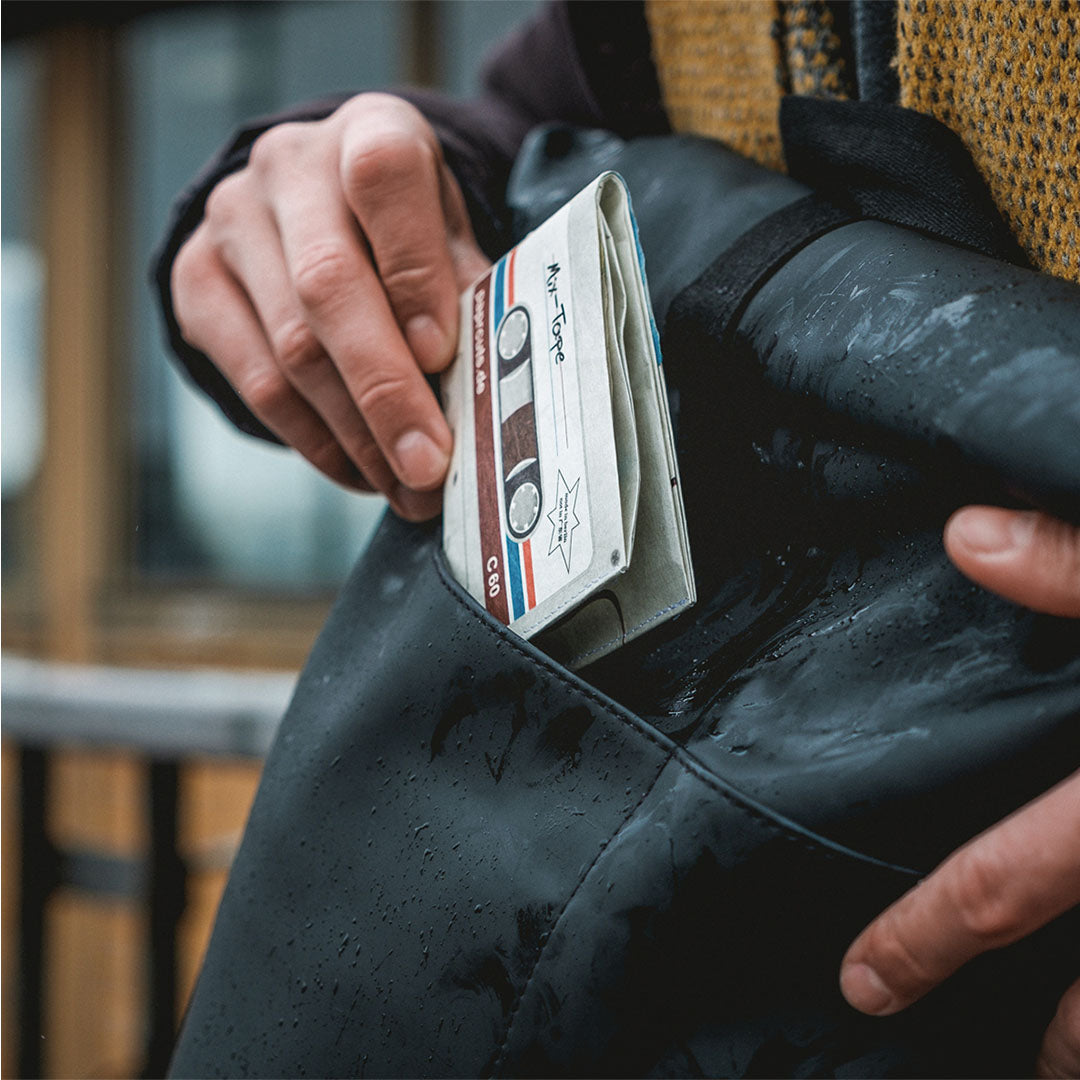
Since then, 12 months have passed. I have taken this wallet to Barcelona, Vienna, Lisbon, and a music festival in the Uckermark. It got wet, pinched, crumpled – but it held up. Still does.
The edges are slightly patinated, but not torn. The print is intact. And what surprises me the most: it somehow looks better than at the beginning.
No other everyday item has made me reflect on my values so often. Every time I pull it out, I am asked: "What is that?" And every time I answer: "A statement."
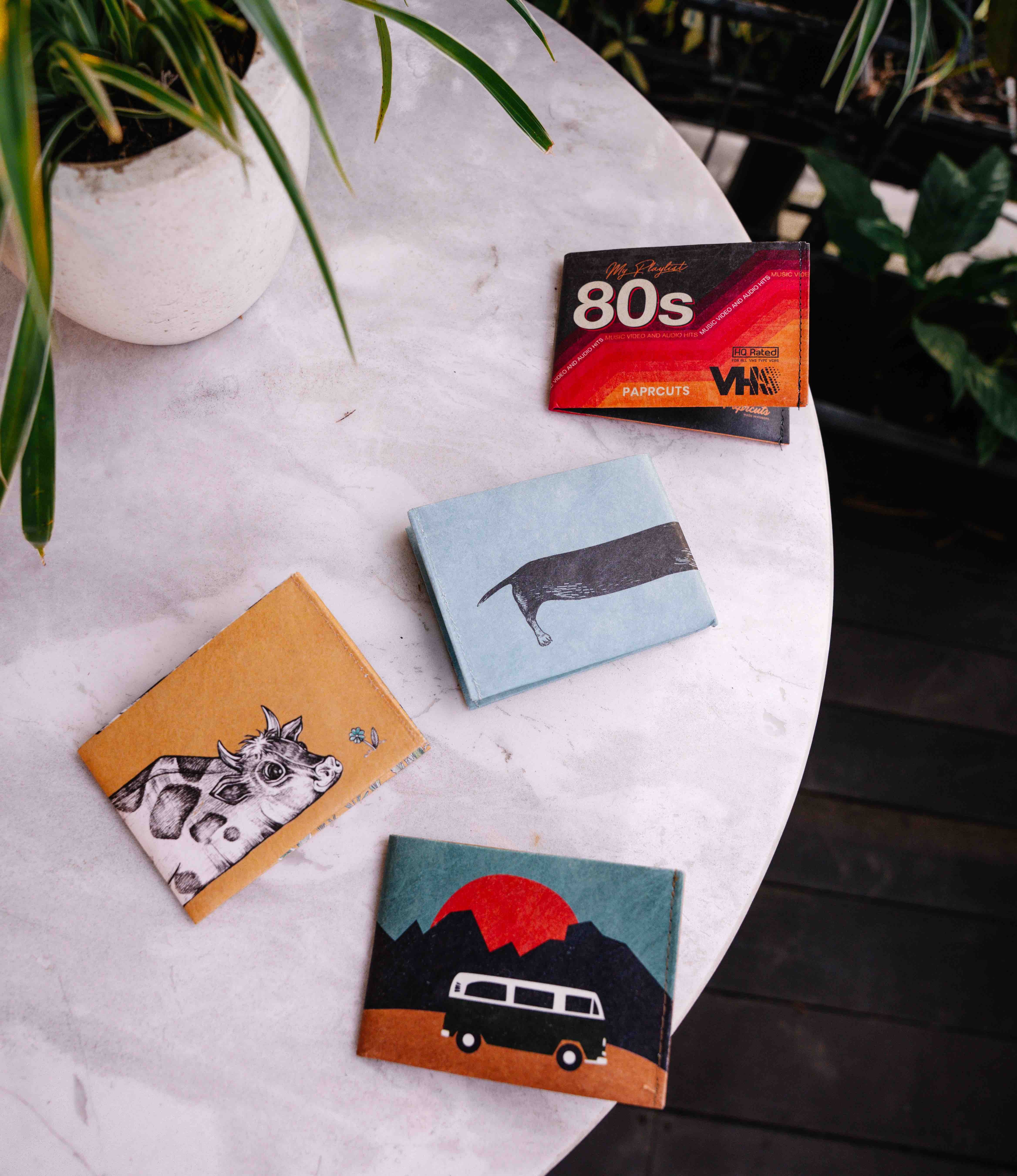
Design meets attitude – Why minimalism is more than just a trend
In my work as an industrial designer, I observe many trends. One of them is the transition from status symbol to symbol of meaning. It's no longer about showing what you can afford – but what you stand for.
A wallet that looks like paper is not understatement. It is a new statement:
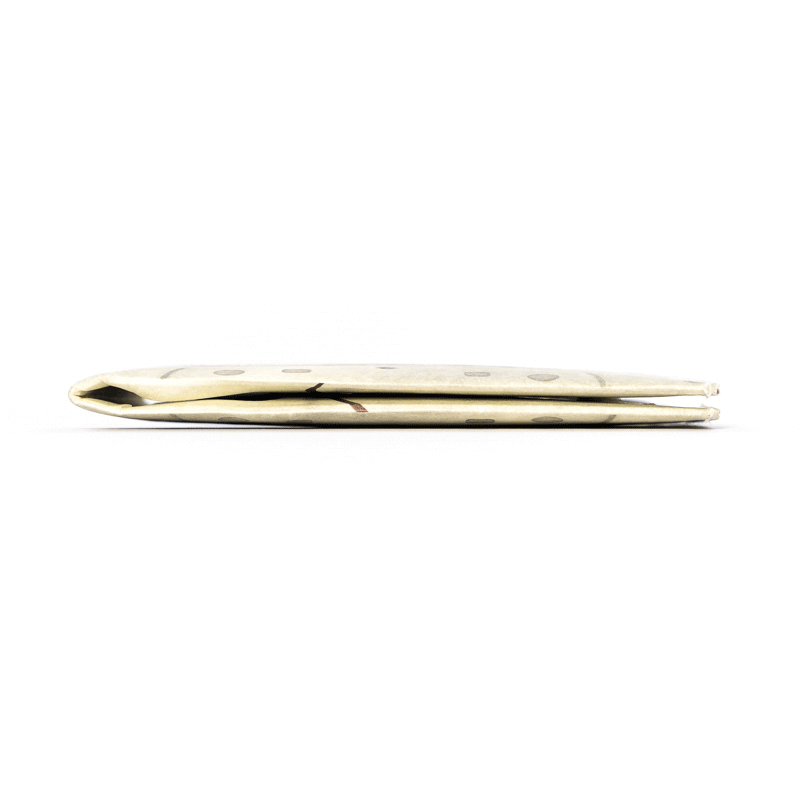
- less weight, physically and mentally
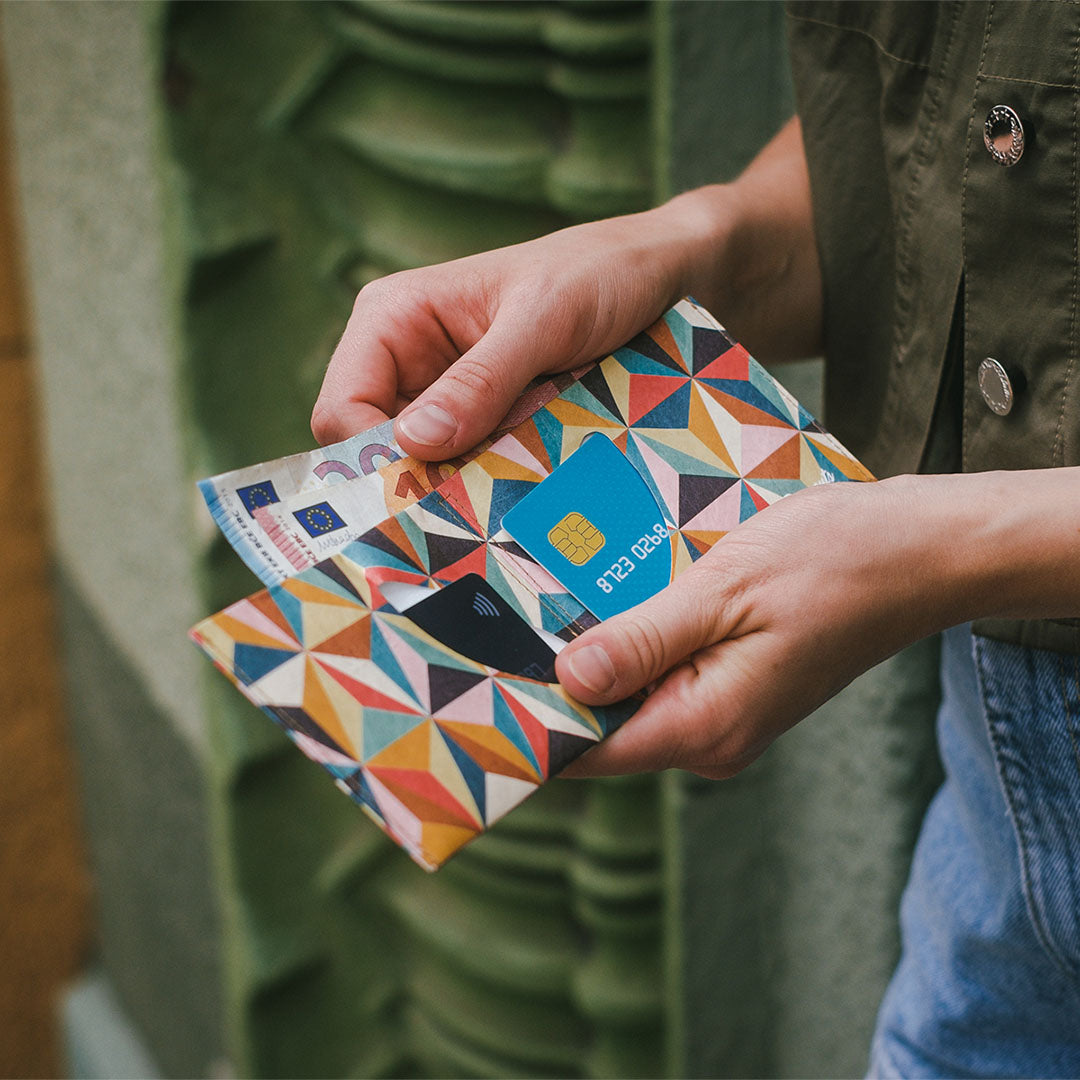
- only the essentials with me
- conscious – even with small things
According to studies by Zero Waste Europe, around 225 kg of packaging waste per capita is generated annually in Germany – most of it from plastic and composite materials. Tyvek, on the other hand, is monomaterial and recyclable.
And yes, even a wallet can make a difference – not alone, but in the overall picture of a lifestyle based not on waste, but on responsibility.
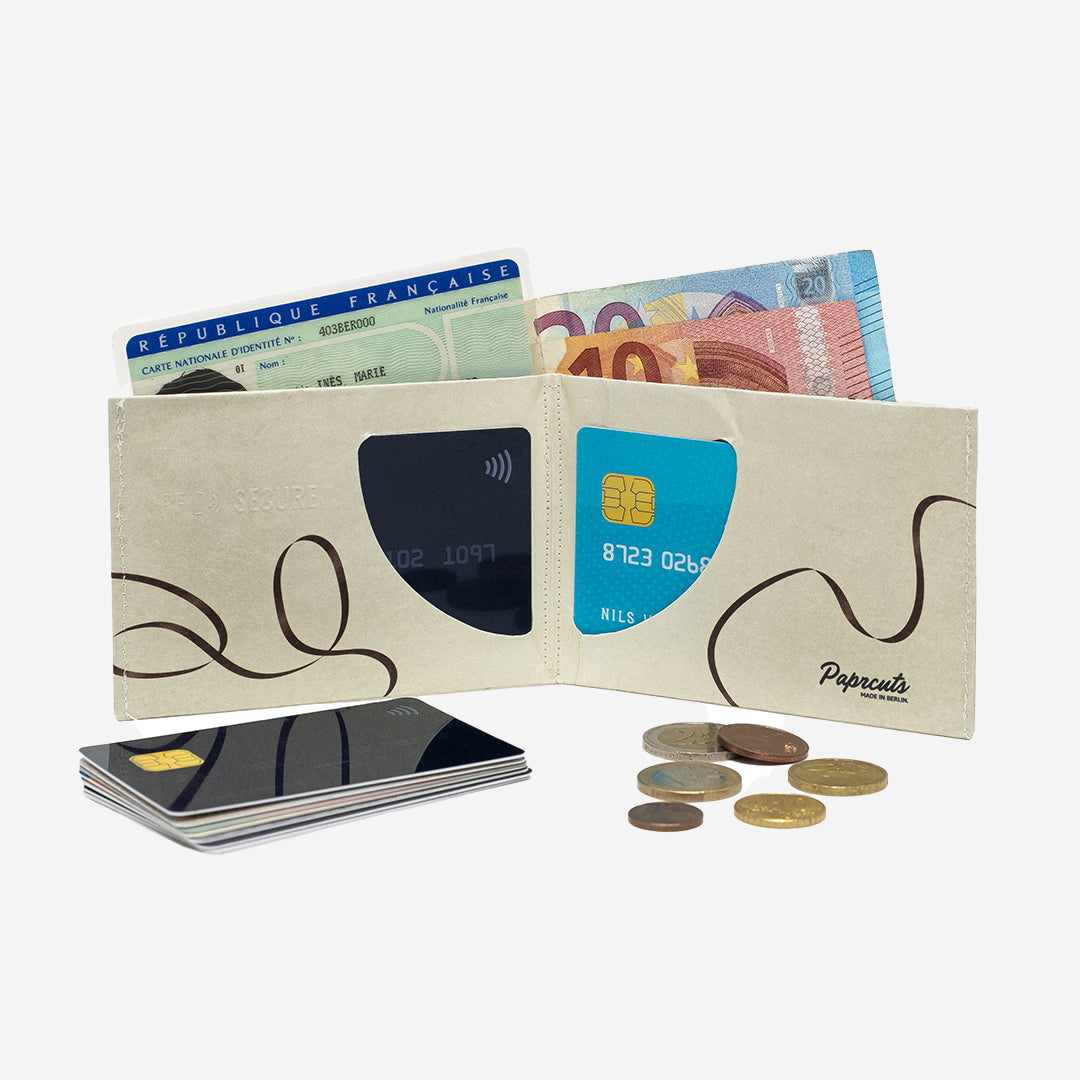
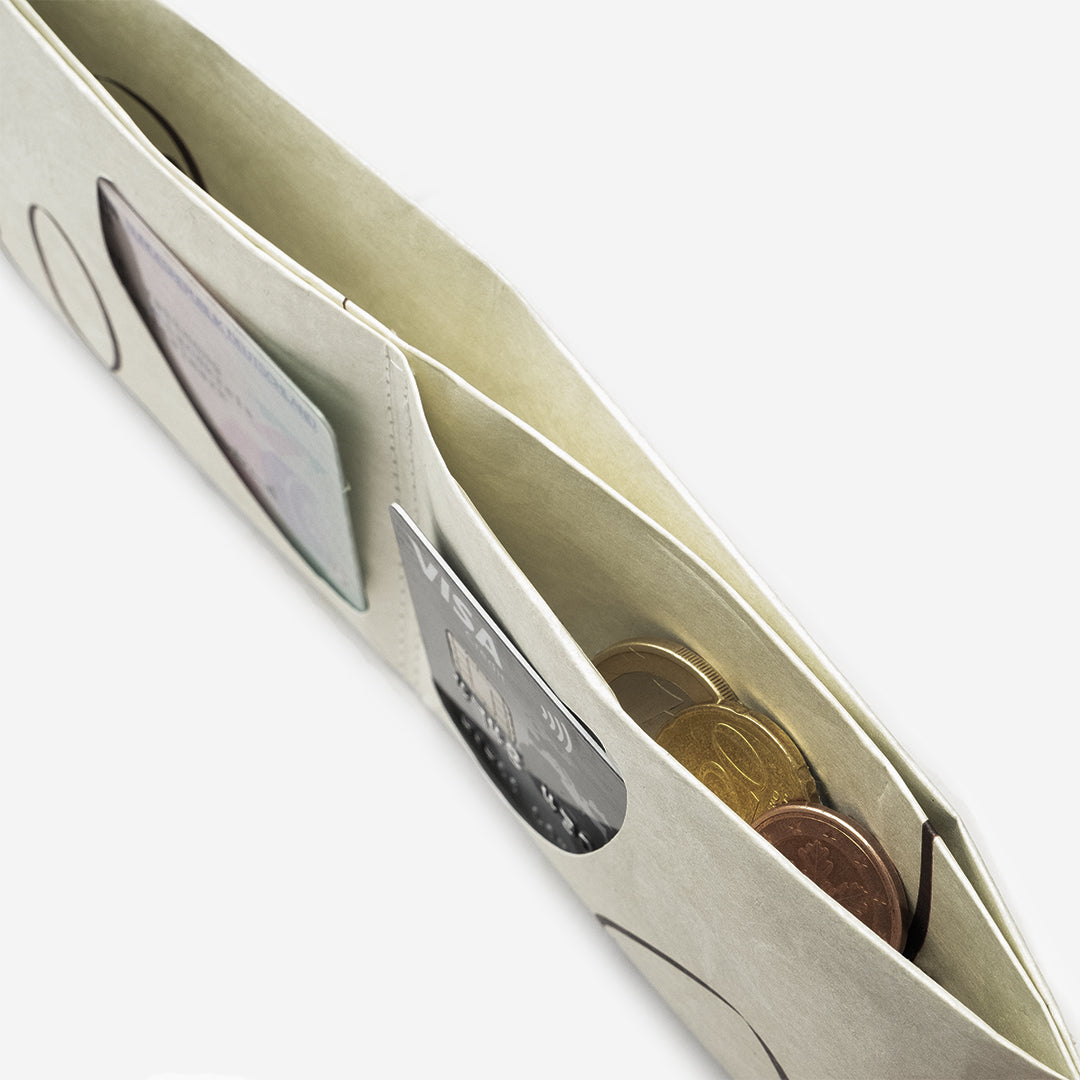
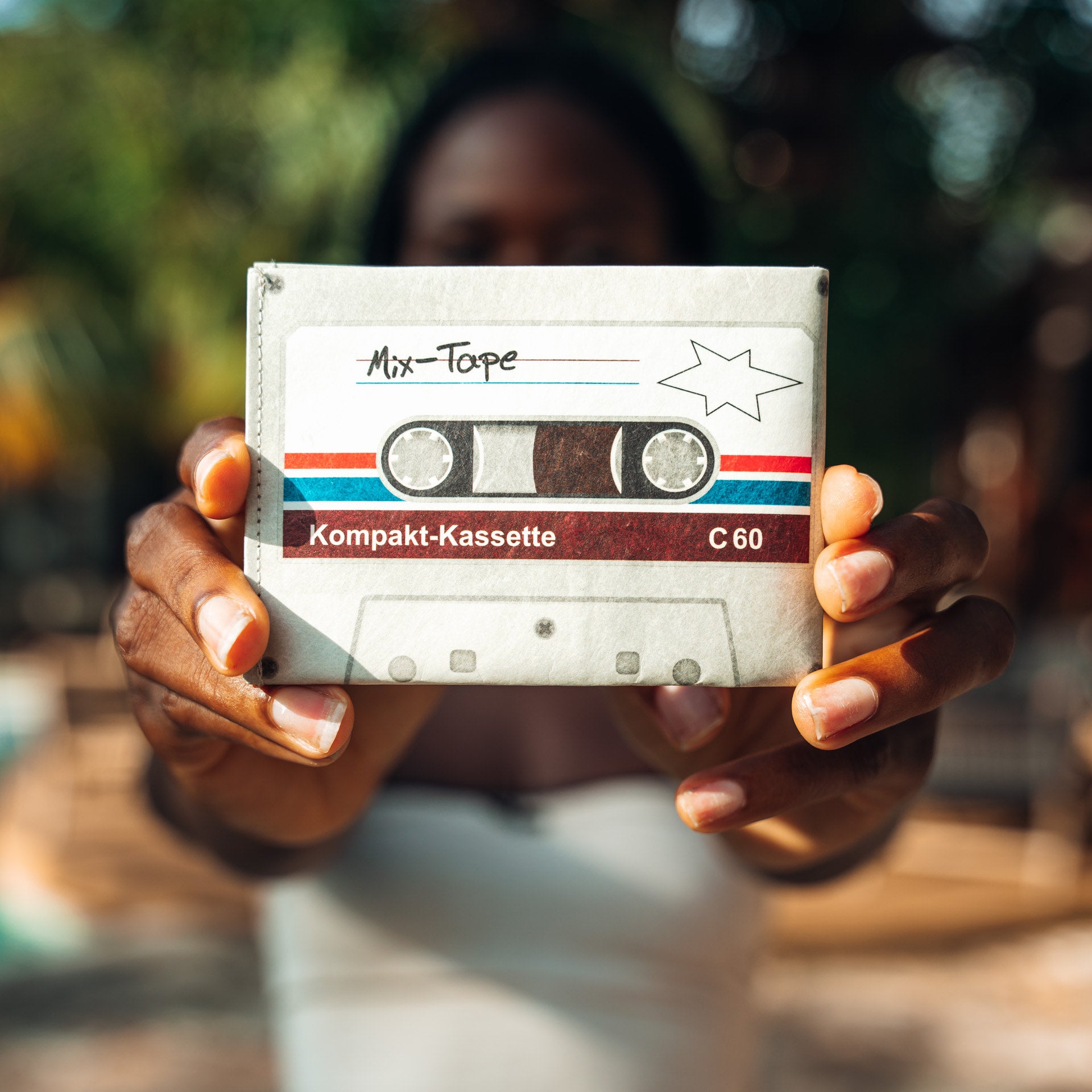
But is that really sustainable? – An honest look behind the scenes
I am critical. I want to know how things are produced. So I asked: What about production, the supply chain, the material cycle?
Paprcuts produces the wallets in Berlin, Poland & Czech Republic. The designs often come from independent artists & cool brands. The Tyvek comes from certified sources and is fully recyclable.
Of course, Tyvek is also a plastic. If you want 100% natural materials, you won’t find them here. But: Tyvek is more durable, easier to recycle, and more climate-friendly than leather or cheap faux leather products.
A leather wallet causes – depending on origin – up to 10 kg CO₂. A Tyvek wallet is far below that, especially due to regional production and lower transport weight.
In short: It is not a perfect product. But it is a consistently thought-through & honest one, and that is rare enough.
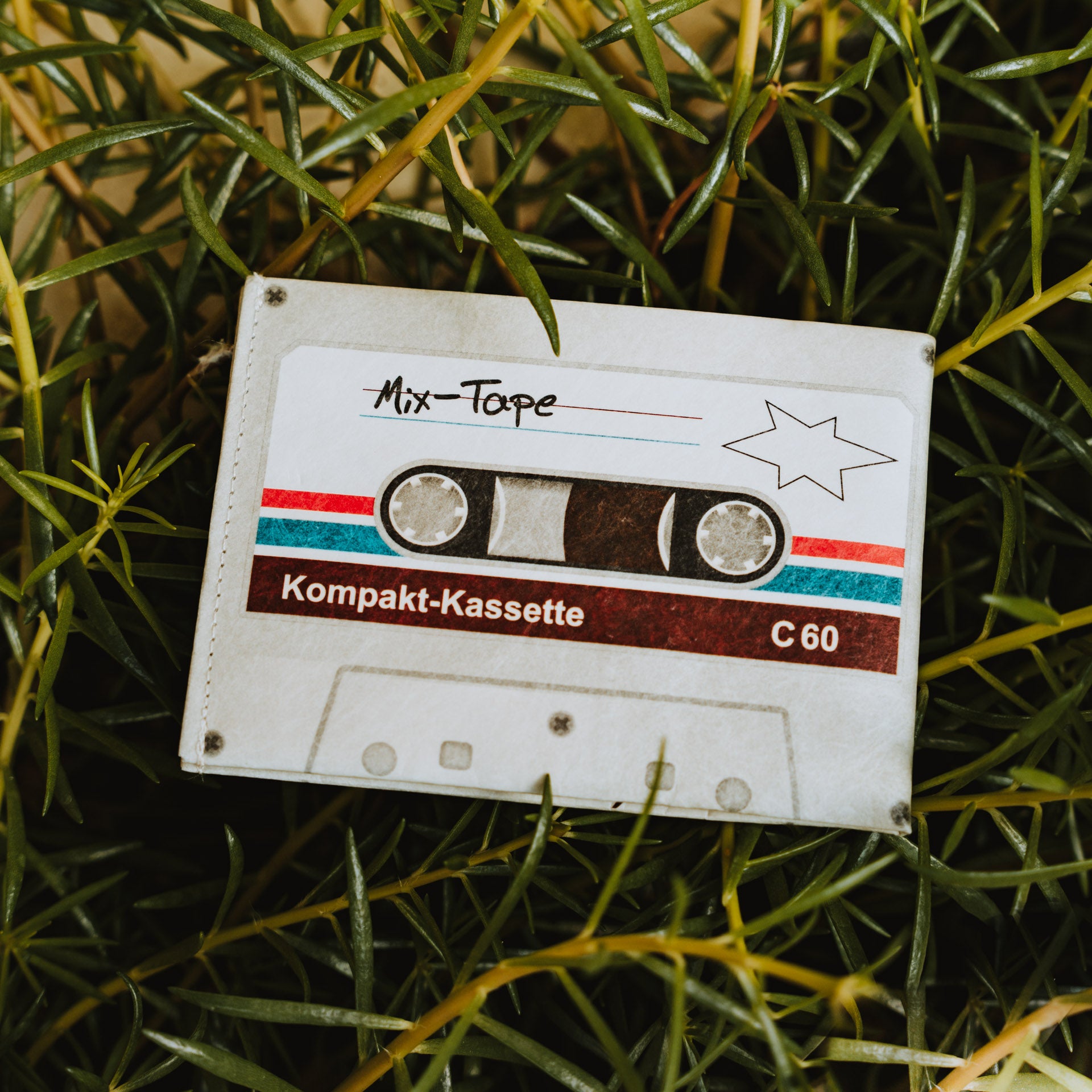
Conclusion: It's not about the wallet. It's about you.
What have I learned in a year with a "paper wallet"?
More than I thought. I have learned that good design doesn't have to be loud. That lightness can be a principle – not only in the pocket but also in the mind.
A wallet made of Tyvek may be small. But it stands for something big: for a new approach to consumption, to design, to everyday life.
And yes – it holds. It surprises. It inspires. And it connects, through conversations at the checkout, among friends, and at family gatherings.
One last thought: When you put your wallet in your pocket in the morning, don't just ask yourself: "What fits in there?" – but also: "What suits me?"
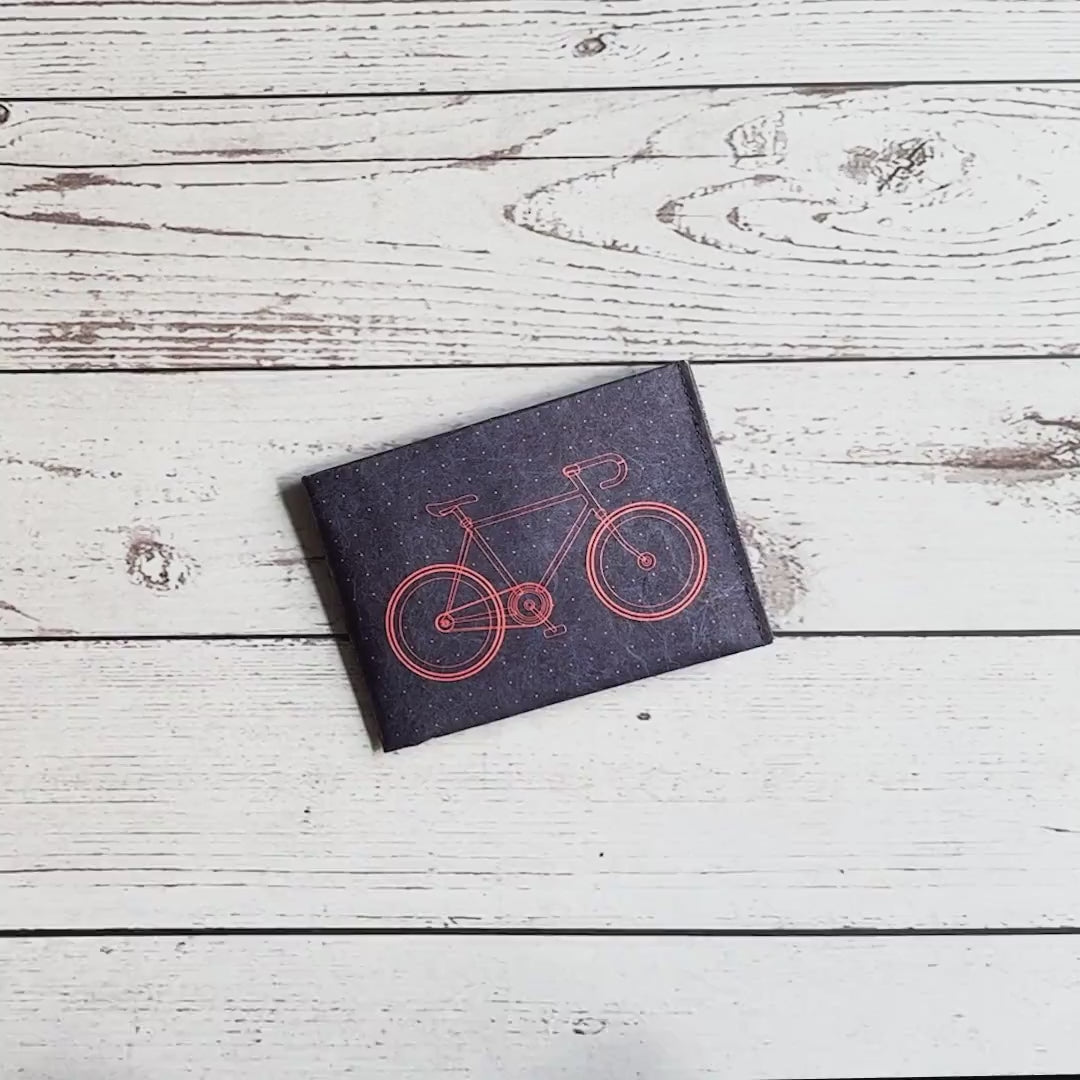
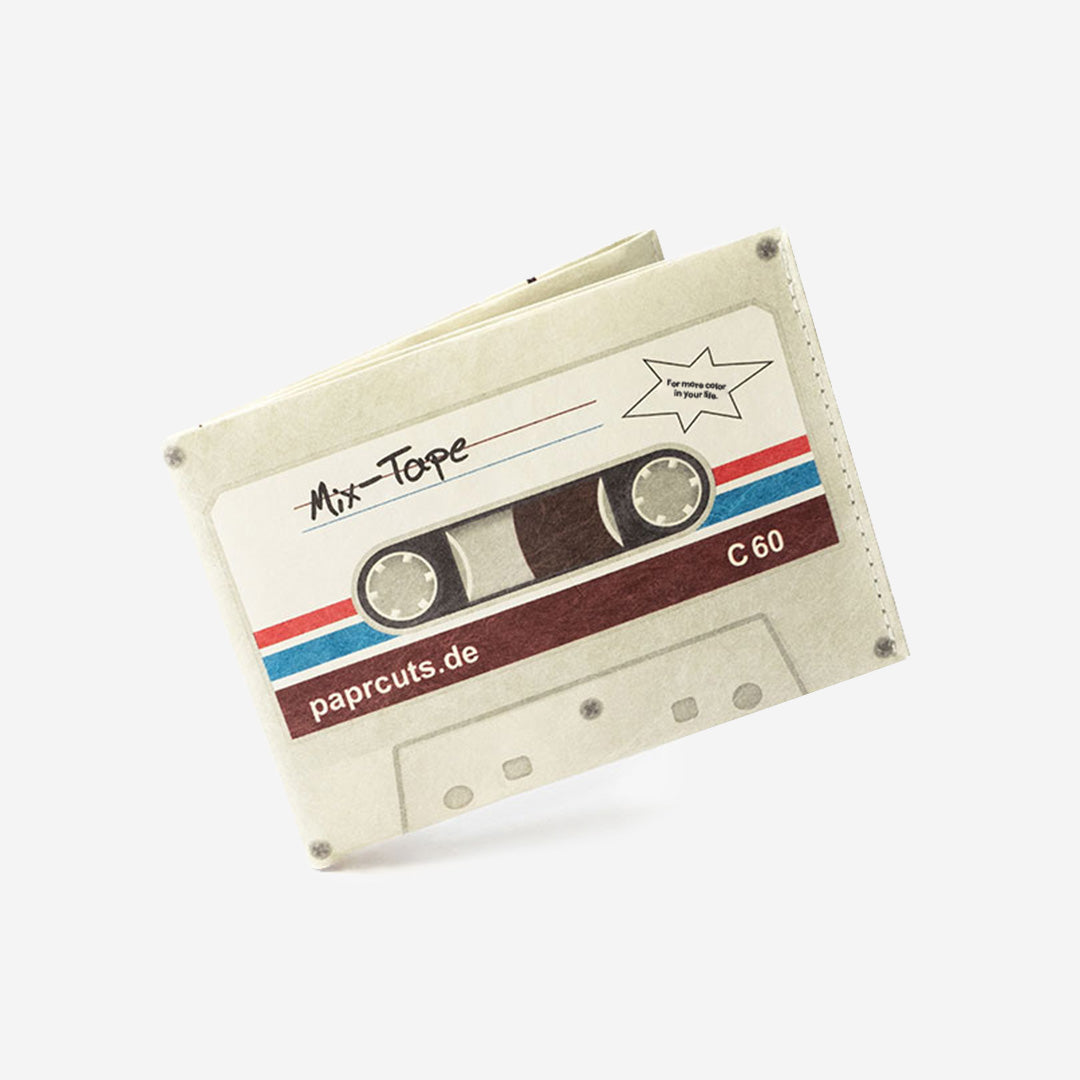
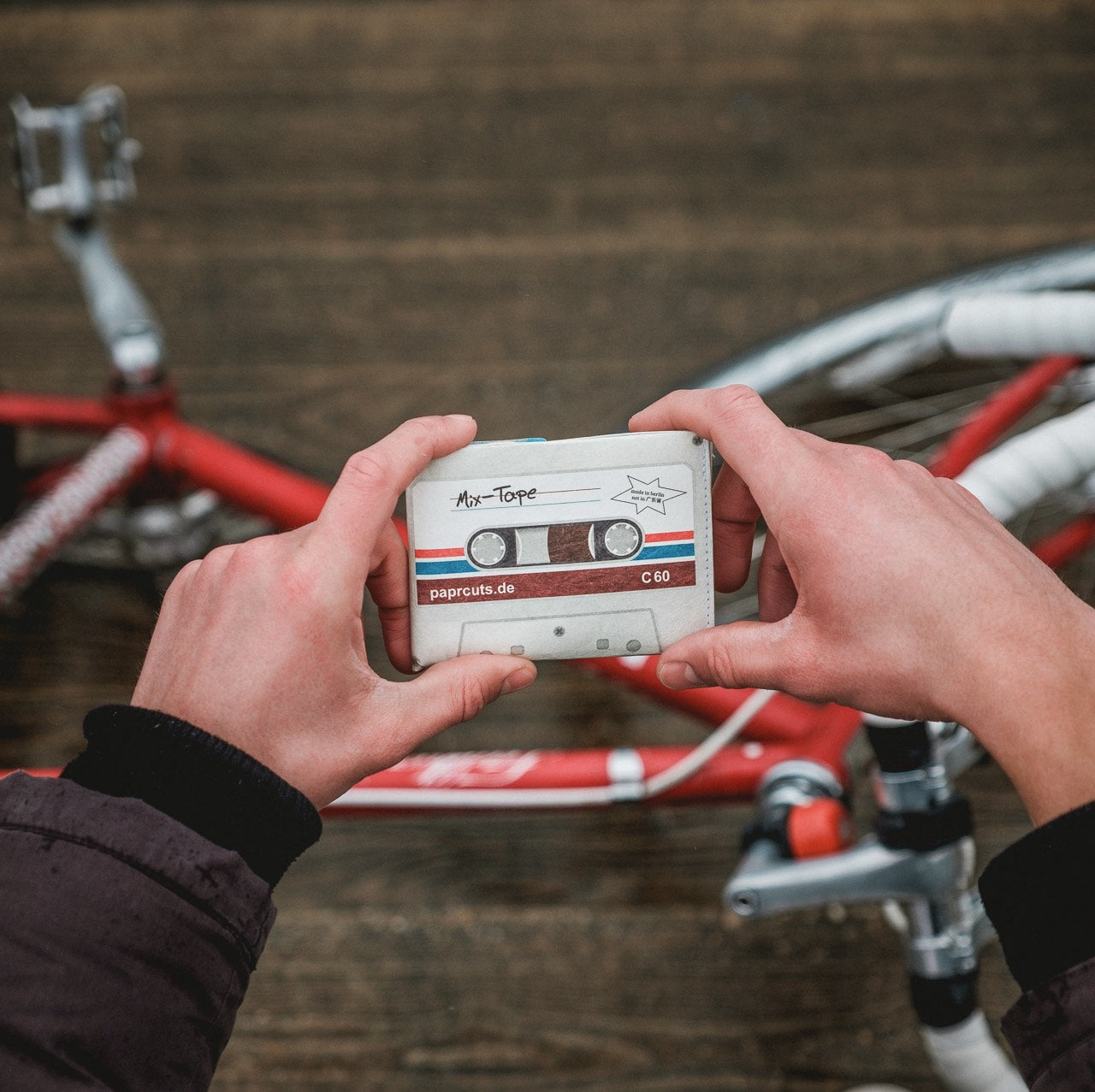
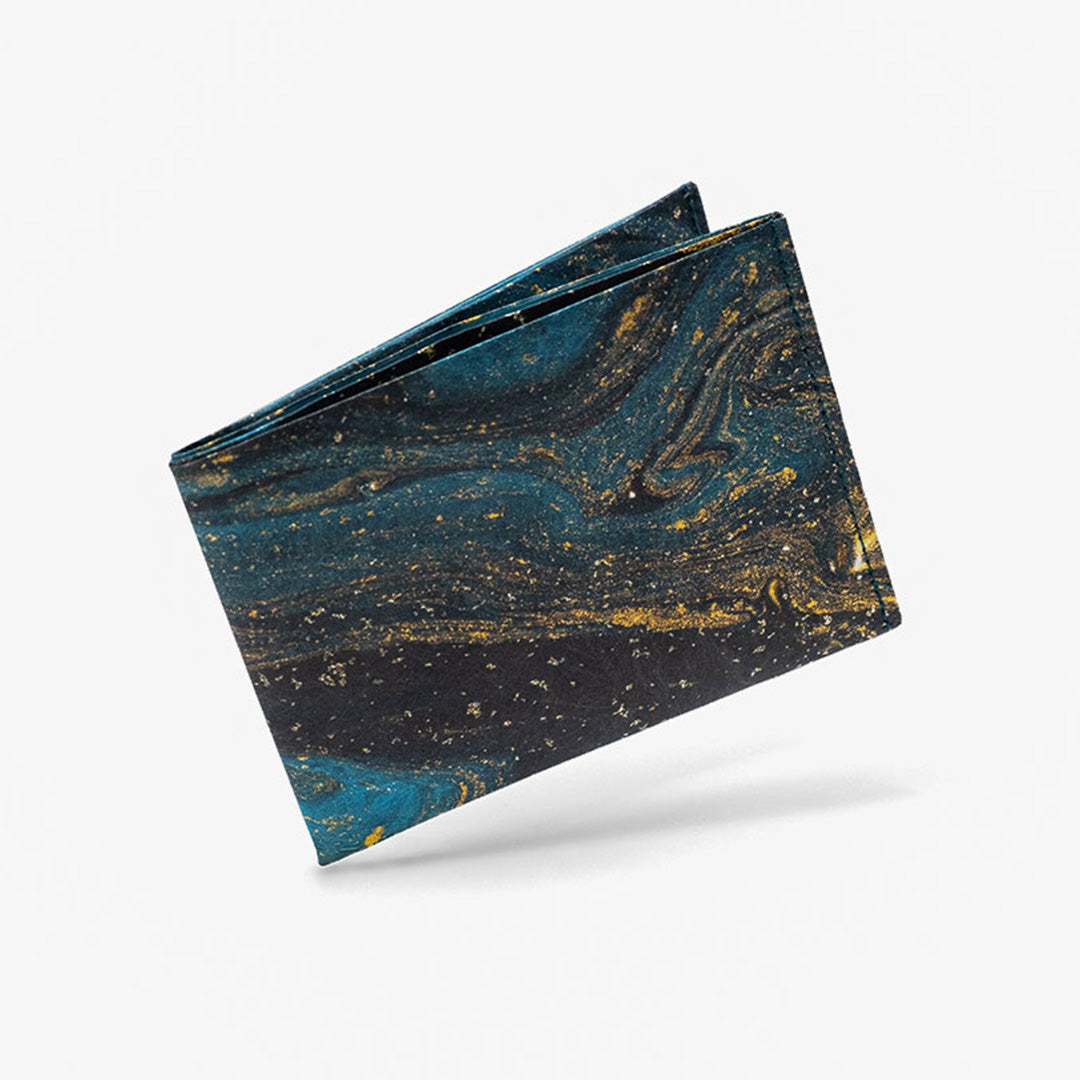
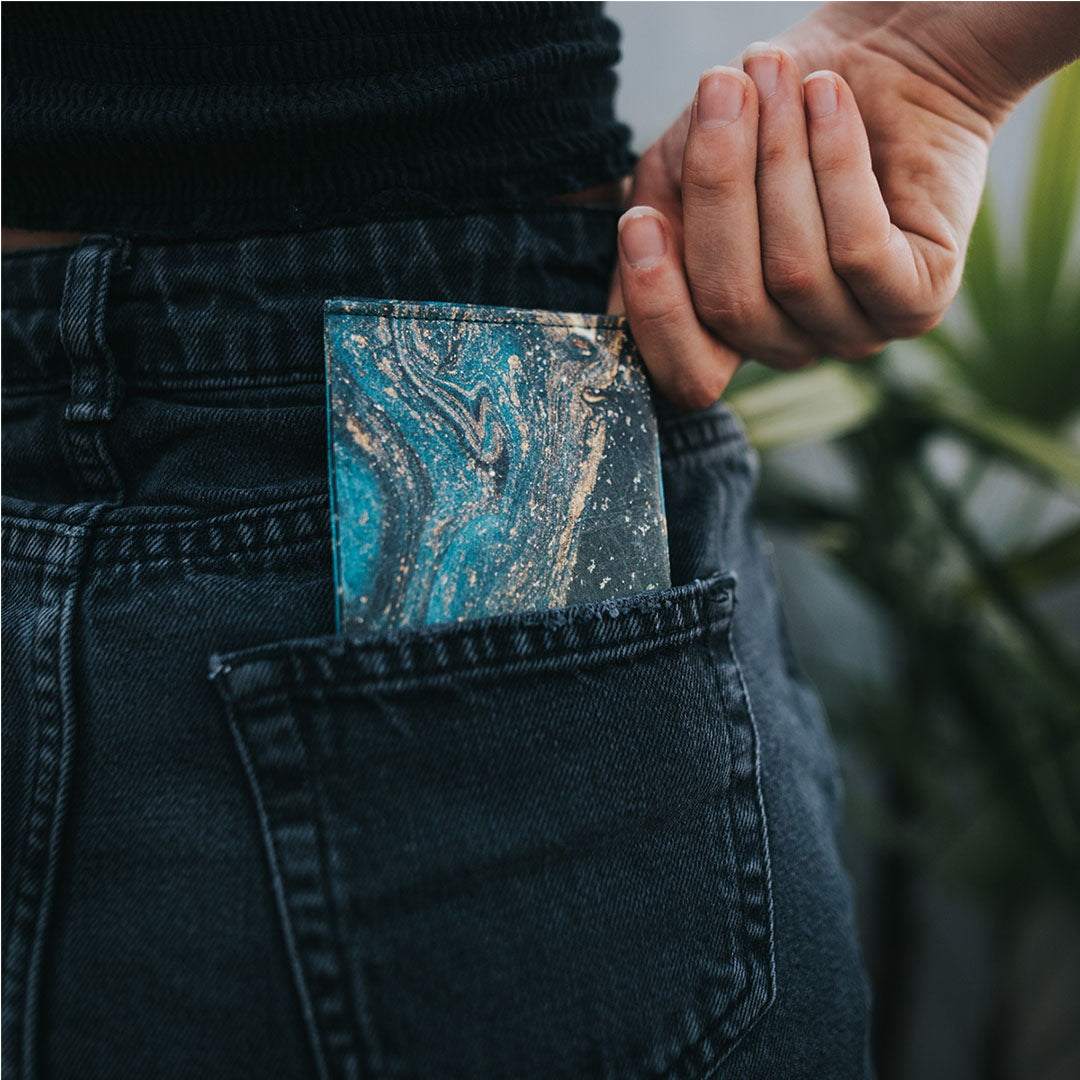
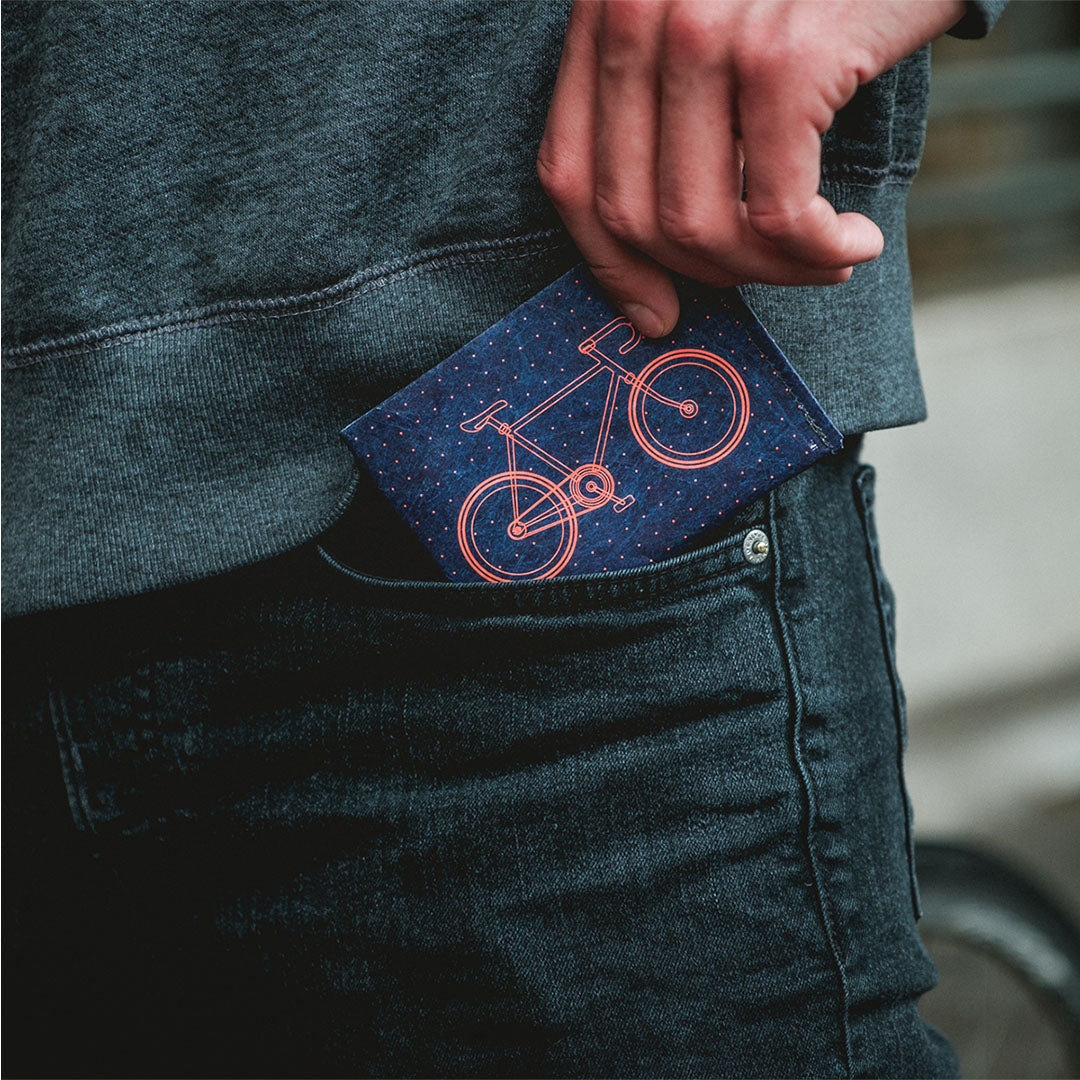
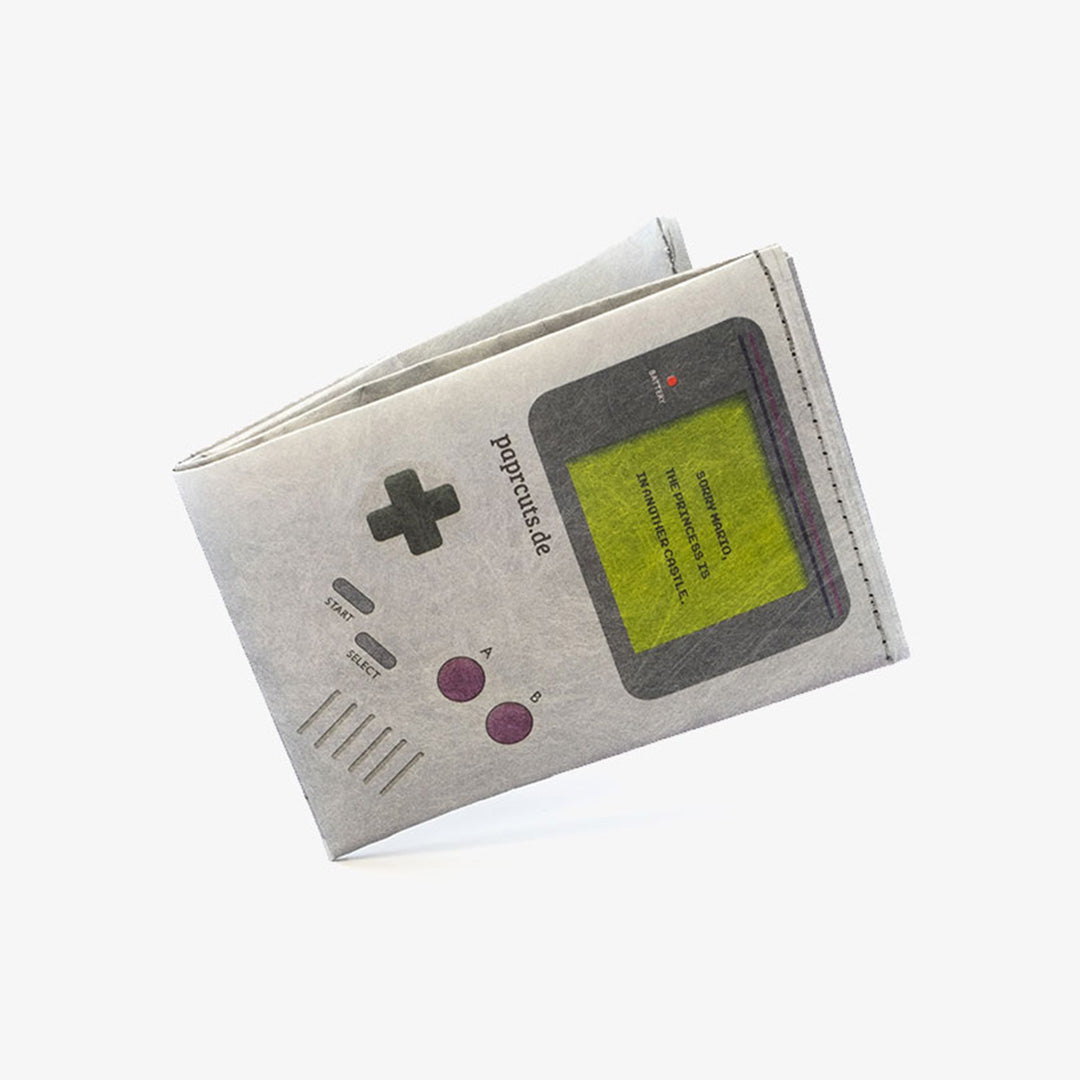
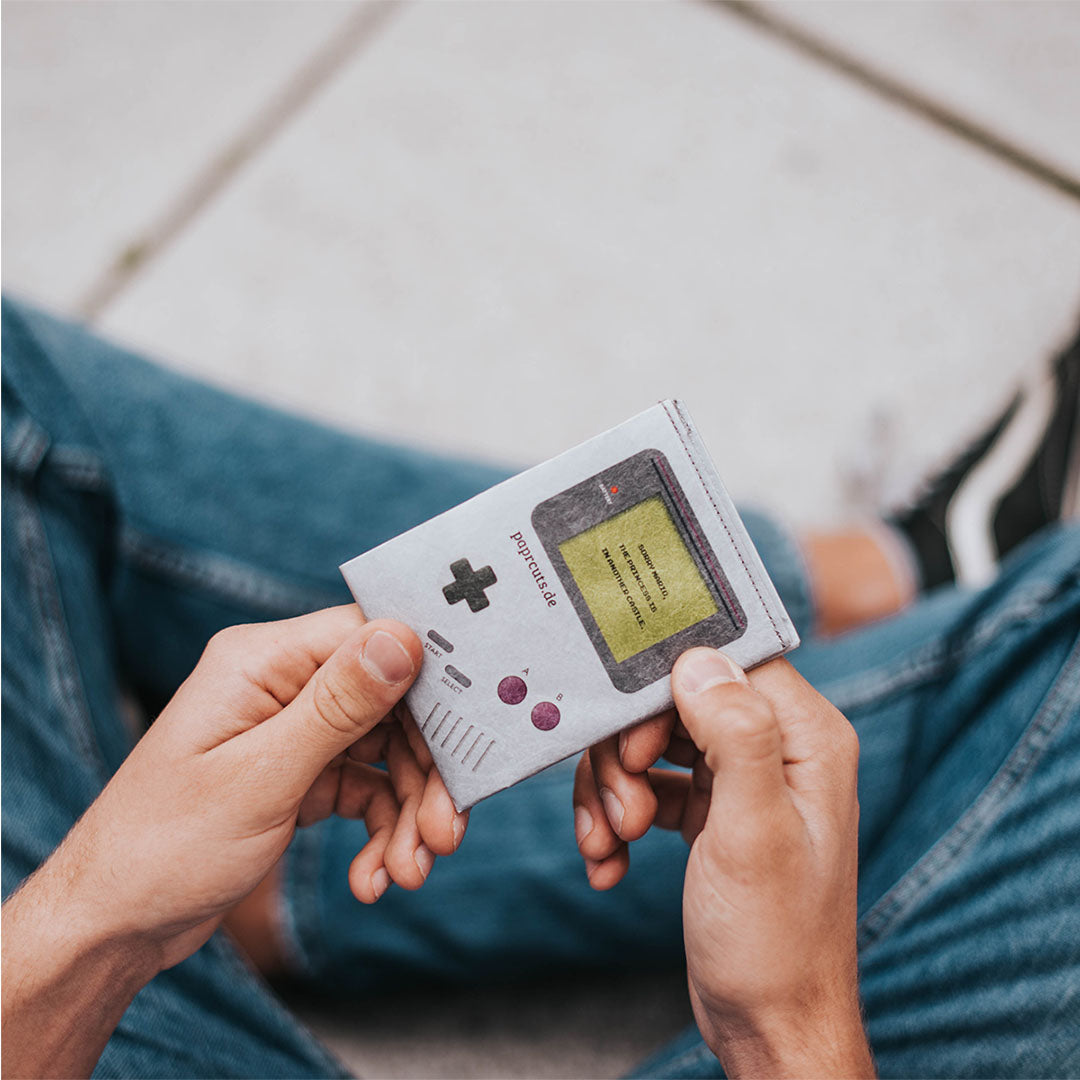
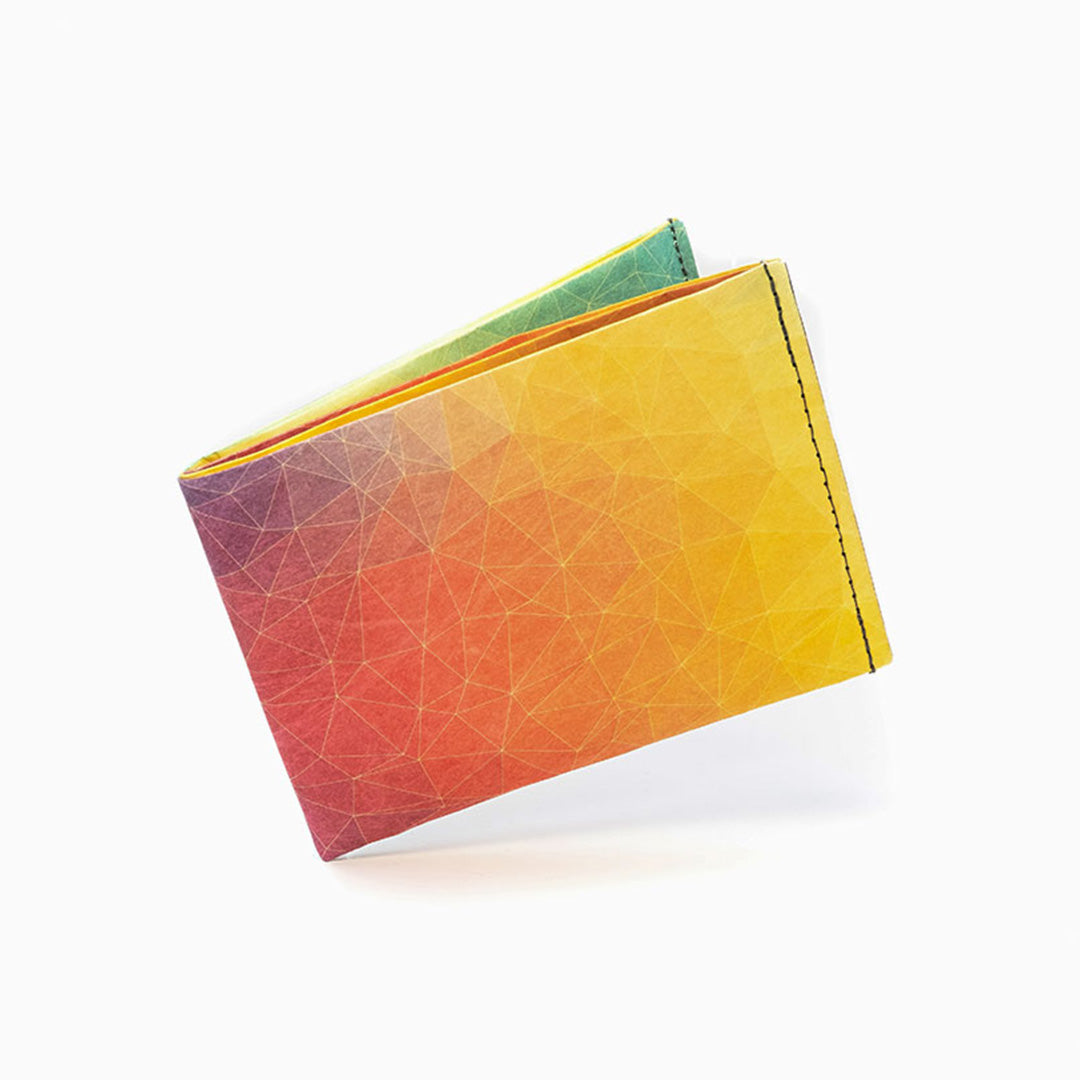
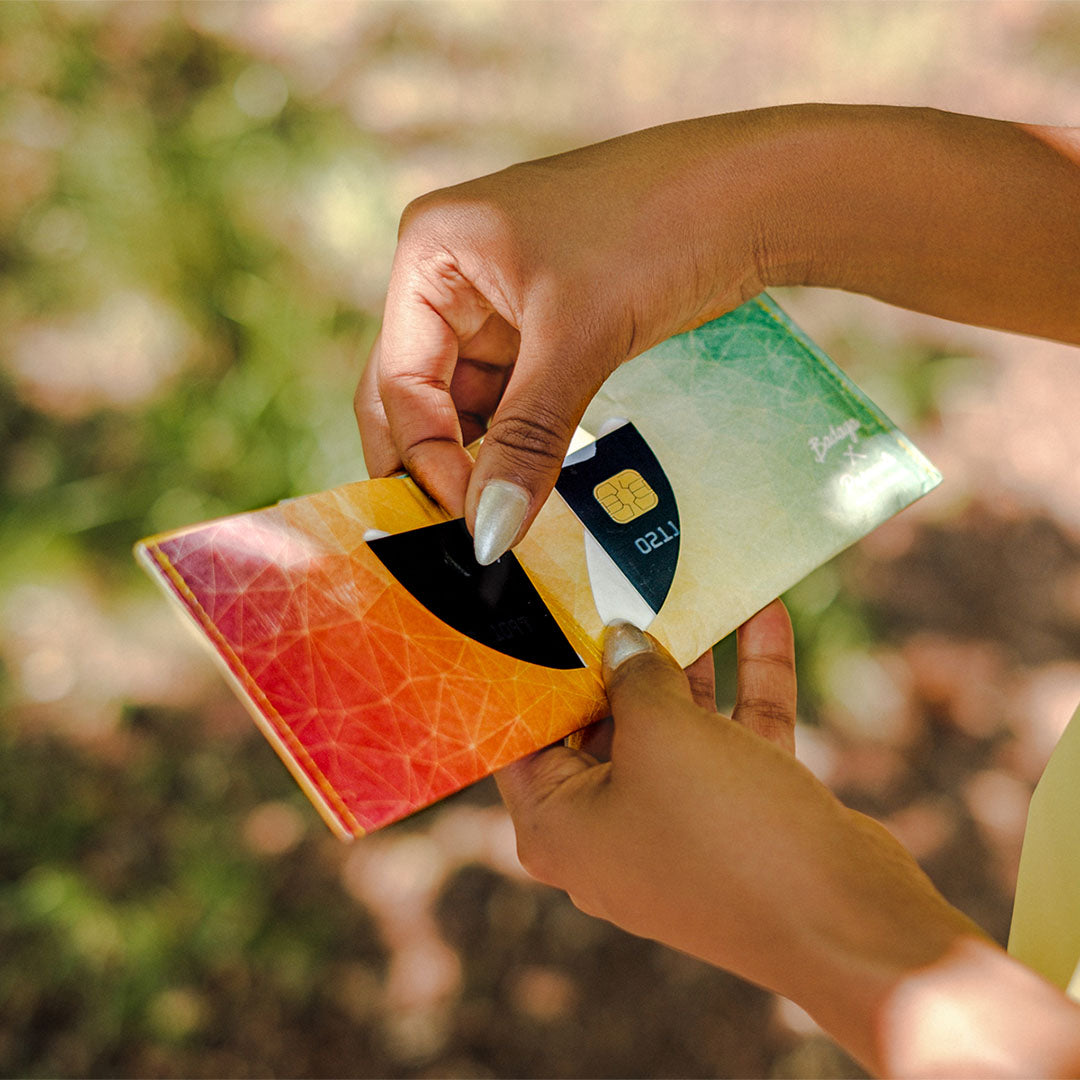
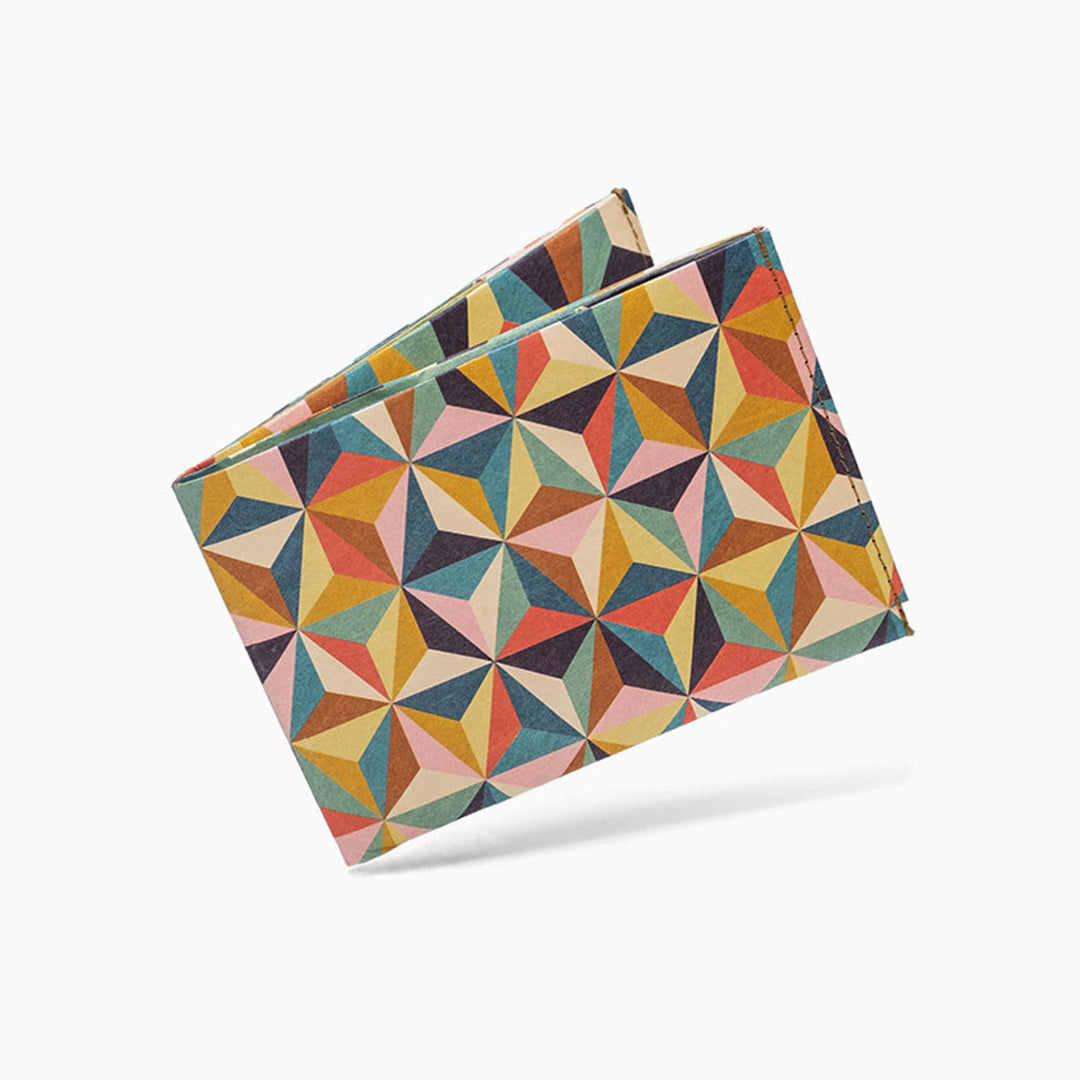
Choose your favorite design yourself now

Let customers speak for us